Netflix Monopoly

Featured

Netflix, for millions of people around the world is the most popular streaming service and has the most content to choose from. From its own original series and films to borrowed networks like Disney and Warner Bros. The emergence of streaming creators like Netflix, Hulu, and Amazon Prime has disrupted traditional TV in recent years, no doubt.

However, the disruption continues with Disney and Comcast developing their own streaming services. Disney has even pulled some of its own productions (like its Marvel shows) from Netflix leaving subscribers frustrated. Netflix was the main hub where most shows and films could be watched by subscribers, if all networks start making their own services, that leaves viewers in between choosing where and which platform to watch from, leaving many to download it from pirating websites anyway. Netflix has started to fix this situation by creating more original content.  

Competition has made the opportunity for creative content even higher, with Netflix making interactive productions for viewers like Black Mirror’s Bandersnatch or Bear Grill’s You vs. Wild, which has made other streaming services follow with making shows into games as well.

A lot of Netflix subscribers say that they will end their membership if the following get cancelled from the streaming giant, which they are due to soon:

  • HBO will take Friends, the most popular 90s show till day
  • NBCUniversal’s new streaming service will take The Office
  • Disney+ will take back its Marvel movies, among more of its productions

Furthermore, many reports show the immense growth and success of streaming services, followed by a massive decrease in Tv and cable.
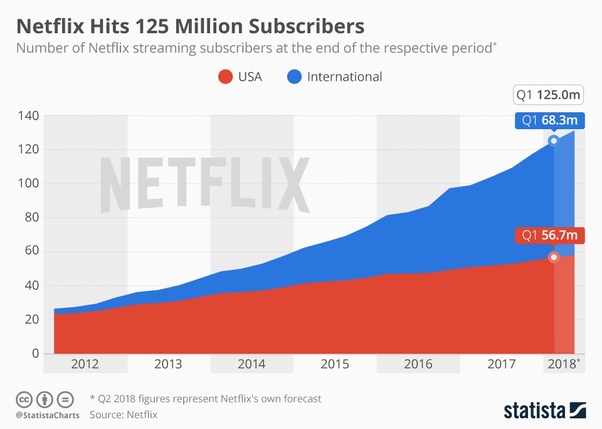
Netflix’s dominance in the market is also a result of its relevance in pop culture and daily life, including the term to “Netflix & Chill”. It’s also frequently talked about regularly due to its various content and popularity in the media: regularly getting promoted indirectly, from celebrities, fan pages, and media outlets. Also, Netflix initiated the term binge watching. More than ever now people are used to getting their content fast and accessible, leading to a demand for more production in no time.

Sources:

http://www.project-disco.org/competition/053019-competition-in-streaming-services-is-heating-up/#.XTcYQOgzaM8

https://www.ft.com/content/13078a02-0465-11e9-99df-6183d3002ee1

https://www.huffpost.com/entry/netflix-competitors-disney-hbo-hulu-amazon_l_5d2e514fe4b085eda5a35d64
 

Women: Why don’t we have bigger Pockets?!!

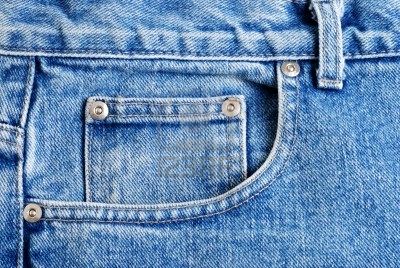
  You’ve probably heard many women say they want jeans with bigger pockets or they get excited when they find anything with big pockets (which is rare). If you’re a male, you might find this bizarre; this however is not just a fashion issue. Women’s’ pockets date back to the 17th century, where they were a separate garment under their petticoats. In the 1790s this changed to bags carried over the arm. Towards the 18th century, fashion changed and women’s clothes slimmed down and bigger pockets were seen as ugly and not fitting to the aesthetics of the time. Christian Dior was infamously quoted “Men have pockets to keep things in, women for decoration.”

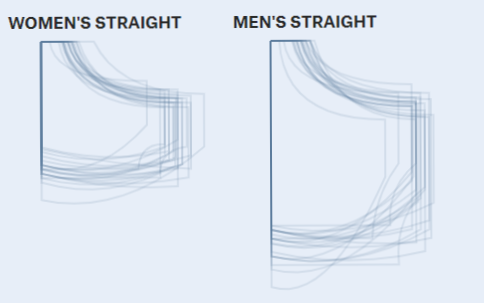
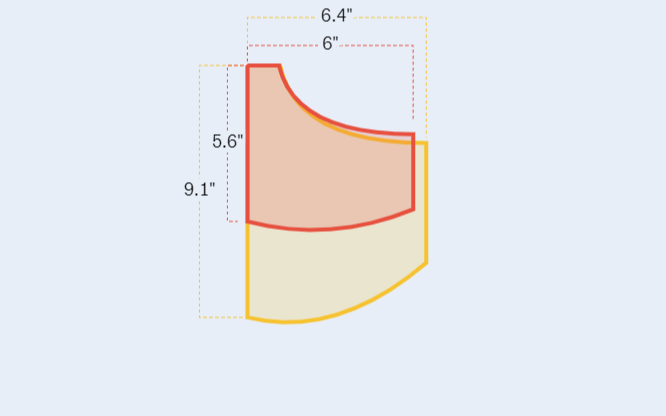
  On average, women’s pocket jeans are 48% shorter and 6.5% narrower than men’s pockets. Only 40% of women’s front pockets can completely fit a one of the three leading smartphone brands. And hands can barely fit in the pockets; most can extend till the knuckles. While men’s pockets can fit wallets, big smartphones, and even water bottles! Also they can comfortably fit their hands and leave room for more.

  For different styles it’s the same; all women’s jeans have smaller pockets, even the boyfriend jeans ironically. Interestingly, both women’s and men’s back pockets are about the same, and this where most women put their phones and/or wallets. One could argue that there are alternatives for women’s pockets, like bags. However, not all women like carrying bags and they can easily be forgotten and lost in places. Plus, bags are not very affordable, and there’s a fashion standard for each one of them. They have to fit with the outfit and there are different bags for different functions. Some bags are meant for laptops, some for books, and some small enough just for a phone and wallet. Some women see through the marketing behind small pockets and how it’s a scheme for companies to sell more bags to them. This is especially frustrating for women due to it being marketed and designed for only them. Men have more options for pants and they can also use bags if they want.  It is really hard to find women’s brands that have bigger pockets, so many women buy from the men’s section instead.

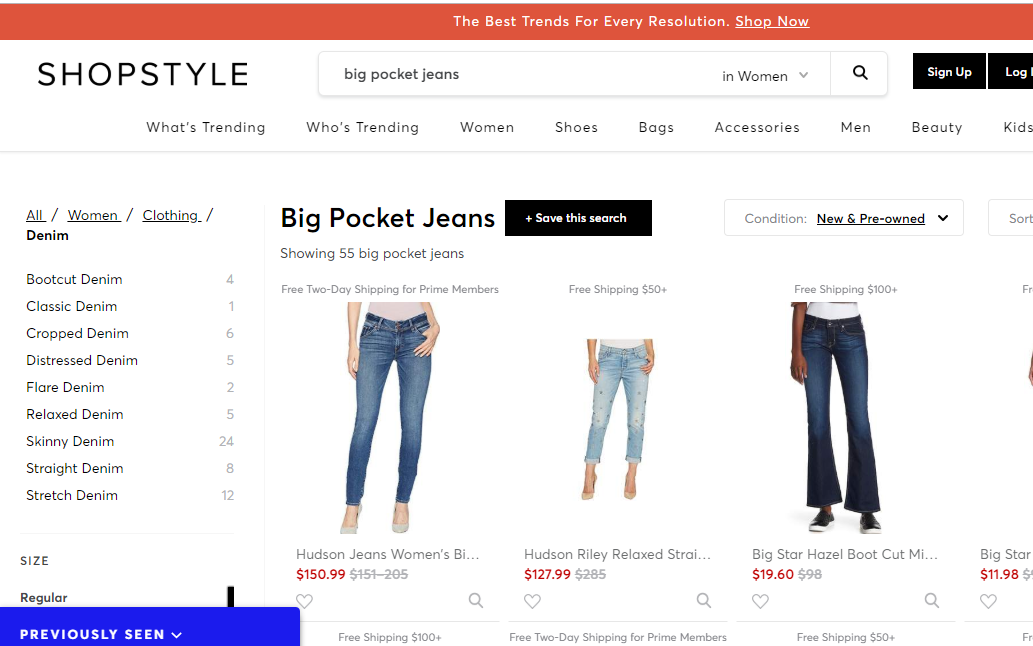
  (This website claims it has bigger pocket jeans, but there’s no sign of them or maybe they are just poorly marketed.)

  For women, the frustration with pockets are more than a fashion issue, it’s a matter of functionality and comfort. It’s 2019 already; this should be the year for the demand of bigger pockets. And companies should listen to women if they care about 50% or more of their target market.

Sources:

 Mas, K., 2018. Why women’s pockets suck. vox.com. Available at: https://www.vox.com/the-goods/2018/12/5/18127239/womens-pockets-fashion-history [Accessed January 10, 2019].

Diehm , J. & Thomas, A., Women’s Pockets are Inferior. The Pudding. Available at: https://pudding.cool/2018/08/pockets/ [Accessed January 10, 2019].

Snowdon, C., 2016. The hunt for women’s clothes with pockets. BBC News. Available at: https://www.bbc.com/news/business-37084813 [Accessed January 10, 2019].